
EW Sanitation Services · Harare, Zimbabwe · Field Report – Sanitation & Public Health
Keeping Glaudina Clean: EW Honey Sucker Delivers Essential Sewage Removal
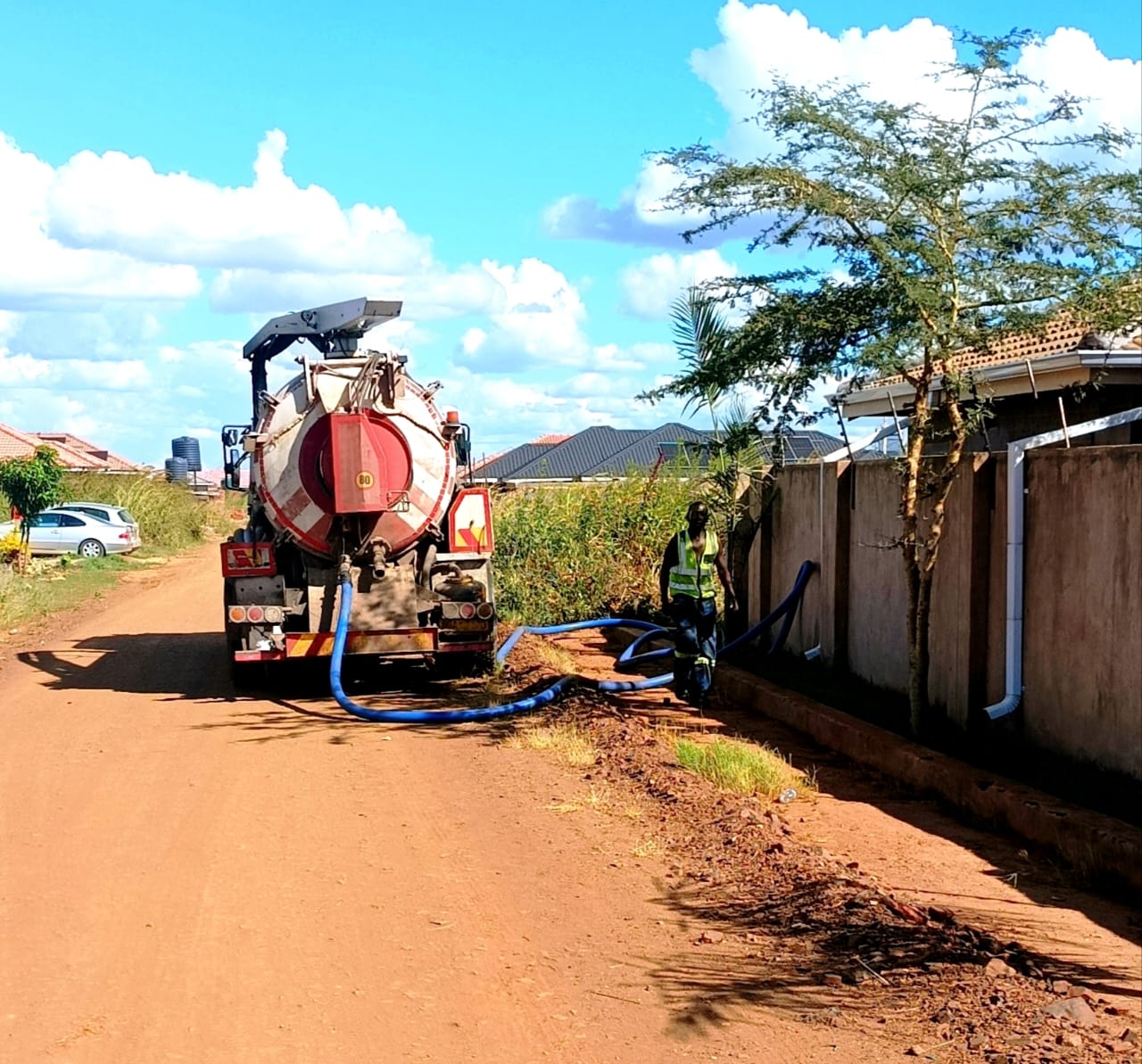
A first-hand account of professional vacuum waste management making a real difference in a Harare suburb — on time, zero spillage, and done right.
100%
Tank emptied
Less than 1Hr 30 min
Job completed
Zero
Spillage reported
A full septic tank in Glaudina
Glaudina, a quiet residential suburb in the southern reaches of Harare, faces the same challenge that thousands of households across Zimbabwe contend with daily — overflowing or fully saturated septic tanks. With the municipal sewage system stretched beyond capacity and ageing infrastructure unable to cope with demand, residents increasingly rely on private honey sucker operators to keep their properties sanitary and safe.
When one Glaudina homeowner noticed the unmistakable signs of a full pit — slow-draining fixtures, unpleasant odours near drainage areas, and waterlogging around the septic tank — they knew immediate action was needed. The call was placed to EW Sanitation Services, one of Harare’s trusted honey sucker providers, and the response was prompt.
Arrival and site assessment
The EW honey sucker truck arrived in Glaudina on schedule — a large, well-maintained tanker vehicle fitted with a powerful industrial vacuum pump and heavy-duty suction hoses. The crew, dressed in appropriate personal protective equipment (PPE), greeted the homeowner professionally and conducted a quick site assessment before commencing work.
The team located the septic tank access points, checked hose reach from the road to the tank, and confirmed the volume of waste to be removed. This preliminary walkthrough took no more than ten minutes — a sign of experience and a well-drilled team.
The suction process: fast, efficient, and contained
With hoses connected and the pump engaged, the EW truck’s vacuum system got to work. The powerful suction drew sewage waste — including sludge, effluent, and accumulated solids — directly from the tank into the truck’s sealed holding vessel. There was no manual scooping, no open exposure of waste, and critically, no spillage onto the property.
The entire extraction took under two hours for a full tank — a testament to the capacity and condition of EW’s equipment. The operator periodically checked suction pressure and hose integrity throughout the job, maintaining a clean and controlled worksite at all times.
What the EW honey sucker service included:
Full septic tank pump-out and sludge removal
Sealed vacuum tanker — no open waste exposure
Crew in full PPE — gloves, overalls, and boots
Sealed vacuum tanker — no open waste exposure
Hose rinse and site clean-up on completion
Homeowner briefed with follow-up schedule advice
Completion
Clean-up and sign-off
Once the tank was emptied, the EW crew rinsed down the suction hoses and the immediate area around the tank access point. The septic tank lid was replaced securely, and the team conducted a final inspection to ensure no residual waste remained on the surface.
The homeowner was briefed on the work completed and advised on a recommended pump-out schedule going forward — typically every 12 to 18 months depending on household usage. By the time the truck rolled out of Glaudina, there was little evidence a waste removal job had even taken place — exactly the standard every good honey sucker operator should aspire to.
Why It Matters
Regular honey sucking and public health in Harare
Harare’s water and sanitation challenges are well documented. An overflowing septic tank is not merely an inconvenience — it is a genuine public health hazard. Raw sewage contaminating groundwater, spreading into drainage channels, or pooling on residential land can lead to cholera, typhoid, and other waterborne diseases, all of which remain real risks in Zimbabwe’s urban areas.
Private honey sucker services like EW fill a critical gap. They serve the suburbs and satellite areas where municipal sewage connections are absent or non-functional, and they do so with equipment and expertise that the average homeowner simply cannot replicate. Investing in a regular pump-out is, quite literally, investing in community health.
Final Verdict
A job well done
The EW honey sucker truck’s visit to Glaudina was a model of how this service should be delivered — timely arrival, professional conduct, efficient extraction, responsible disposal, and a clean handover. For any Harare resident dealing with a full or overflowing septic tank, reaching out to a reputable honey sucker operator is not just the right call — it is the responsible one.
Glaudina’s streets are a little cleaner today, its groundwater a little safer, and one household can breathe a little easier — and that is exactly the point.
Completion
Clean-up and sign-off
Once the tank was emptied, the EW crew rinsed down the suction hoses and the immediate area around the tank access point. The septic tank lid was replaced securely, and the team conducted a final inspection to ensure no residual waste remained on the surface.
The homeowner was briefed on the work completed and advised on a recommended pump-out schedule going forward — typically every 12 to 18 months depending on household usage. By the time the truck rolled out of Glaudina, there was little evidence a waste removal job had even taken place — exactly the standard every good honey sucker operator should aspire to.
Why It Matters
Regular honey sucking and public health in Harare
Harare’s water and sanitation challenges are well documented. An overflowing septic tank is not merely an inconvenience — it is a genuine public health hazard. Raw sewage contaminating groundwater, spreading into drainage channels, or pooling on residential land can lead to cholera, typhoid, and other waterborne diseases, all of which remain real risks in Zimbabwe’s urban areas.
Private honey sucker services like EW fill a critical gap. They serve the suburbs and satellite areas where municipal sewage connections are absent or non-functional, and they do so with equipment and expertise that the average homeowner simply cannot replicate. Investing in a regular pump-out is, quite literally, investing in community health.
Final Verdict
A job well done
The EW honey sucker truck’s visit to Glaudina was a model of how this service should be delivered — timely arrival, professional conduct, efficient extraction, responsible disposal, and a clean handover. For any Harare resident dealing with a full or overflowing septic tank, reaching out to a reputable honey sucker operator is not just the right call — it is the responsible one.
Glaudina’s streets are a little cleaner today, its groundwater a little safer, and one household can breathe a little easier — and that is exactly the point.

